The United States was built on a promise: that ordinary people could shape their own lives, that power wouldn’t be concentrated in the hands of a few, and that each generation would inherit a country stronger than the one before it. That reassuring promise has guided our identity for centuries, even when the reality has fallen short. Over time, that promise has turned into a hollow slogan we kept repeating long after it stopped matching the world we were living in. And once it became a slogan, it was used to sell a brand of American life that the rich and powerful sold as normal.
Some people defend the brand they were sold, imagining they’ll rise into the kind of wealth it promises someday. They believe that anyone can become wealthy if they just work hard enough. It’s a comforting way of keeping the old promise alive, even when the system no longer works the way the slogan suggests. They’re not protecting the rich; they’re protecting the version of themselves they hope to become. It’s easier to believe in the fantasy of escape than to confront the reality that the ladder doesn’t reach as high as it used to, and that for most people, it never truly existed at all.
But there’s another way of seeing the world that recognizes that a society can’t function if the top keeps rising while the bottom keeps collapsing. What most people never acknowledge is that equality isn’t created by lifting everyone to the level of the wealthy, but by reducing the distance between the wealthy and everyone else. For people at the bottom to rise, the people at the very top have to give up a little of their excess. Not their dignity. Not their lives. Just the luxuries that sit so far beyond necessity that they distort the entire system around them. No one needs a fourth superyacht. No one is going to die without a third private plane. But every human being deserves a chance to live decently.
The real divide isn’t between political parties. It’s between people who believe wealth is infinitely attainable and people who understand that extreme accumulation has consequences. Because when too much power concentrates at the top, it destabilizes the foundation everyone else depends on. One group defends the fantasy of escape; the other is trying to build a floor strong enough for everyone to stand on.
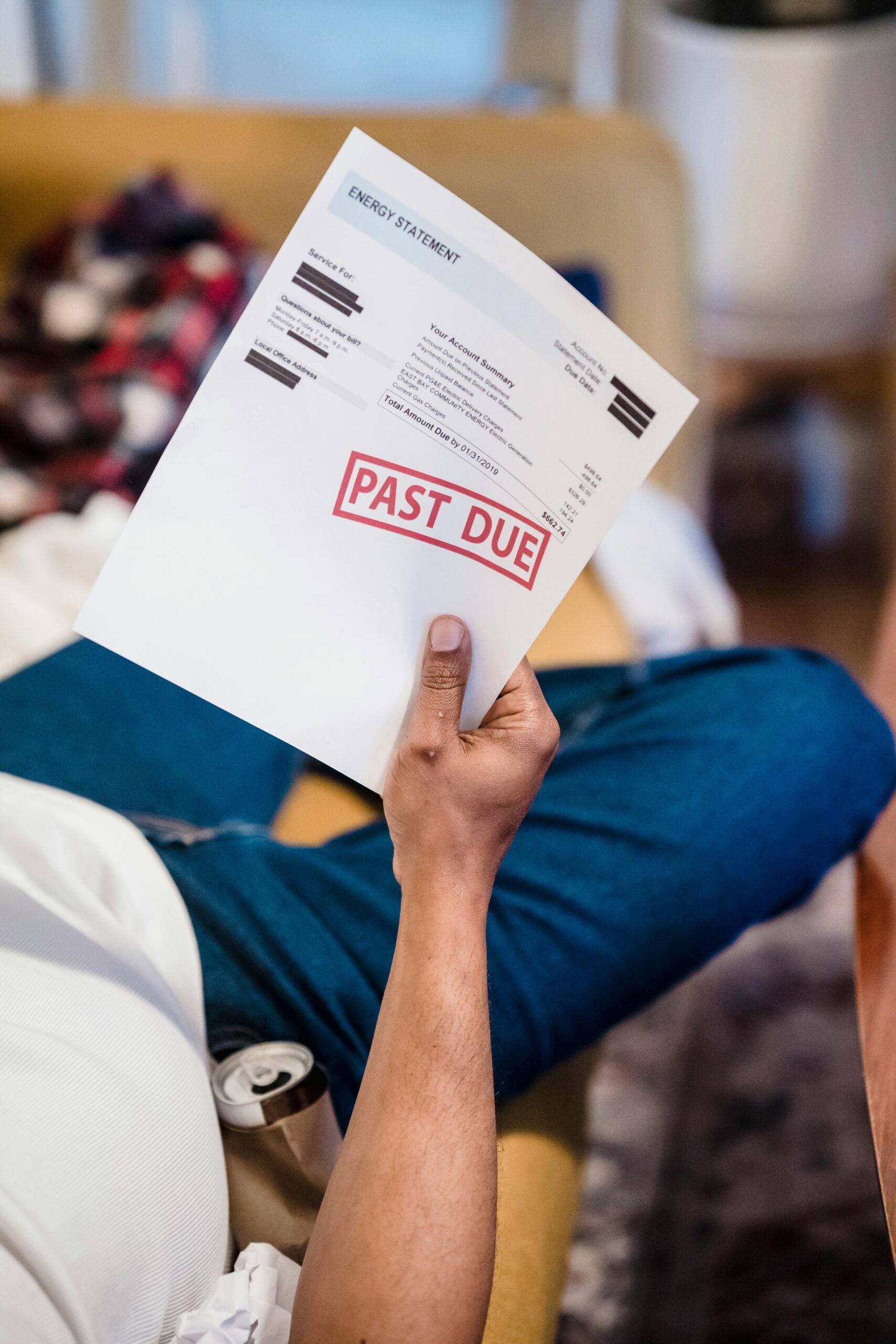
And that’s where the deeper problem shows up. When wealth becomes insulation, it creates a mindset where consequences feel optional. Some people start acting like they can take whatever they want and leave everyone else to absorb the fallout, as if the future isn’t their problem. That mindset has shaped America for almost 250 years, the country surviving by assuming the next generation will deal with the mess later. But later is now. We’re living in the moment where the bill has come due.
That’s the tension running through the country today. Some people understand that every decision, every policy, every shortcut accumulates, eventually landing somewhere. Others focus only on what’s happening right now, because the present always feels urgent. But the truth is simple: the future always arrives. The consequences always show up, and the people who saw it coming aren’t prophets; they were just paying attention.
The old slogans don’t hold up under scrutiny anymore. The fantasy that everyone can become wealthy has run headfirst into the reality that most people are struggling just to stay afloat. The belief that the next generation will handle the fallout has collided with the fact that the fallout is already here. And the notion that the few will ever share enough of their wealth to spare everyone else from the consequences they create has unraveled in real time.
What’s left is a choice between a society that applies what we’ve learned to build a better world for most people, and a society that keeps the old structure intact so only a few can rise. Between defending the cushioning that protects a few and building the stability that supports everyone. Between pretending the bill will never come due and acknowledging that it already has.
We don’t have the luxury of waiting anymore. Later is today. And what we do next will shape the country we leave behind.
Leave a Reply