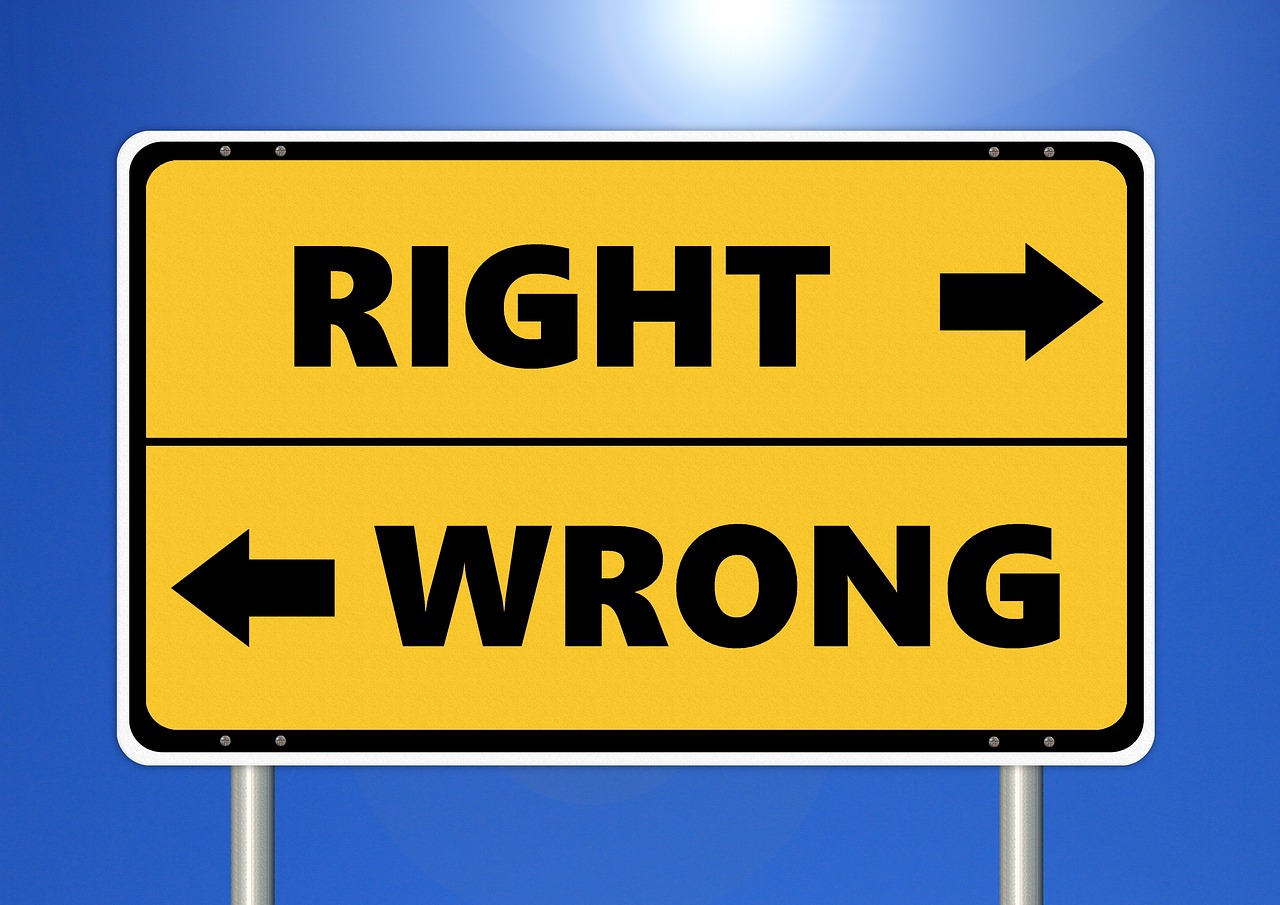
Every time a self-proclaimed Christian’s faith goes unquestioned while a trans person’s identity is policed, we glimpse a deeper truth: moral authority has become a tool of dominance rather than a compass for compassion. This isn’t just about labels, it’s about who gets to decide what counts as “real,” who holds the power to validate, and who ends up marginalized.
In most of our public life, declaring “I’m Christian” earns automatic acceptance. No one asks for proof of baptism, a theological degree, or a pastor’s endorsement. Faith becomes a default credential that opens doors to social legitimacy, political influence, and cultural authority. Allowing one group unfettered self-identification is itself an act of power, one that rarely triggers the self-reflection we demand from other institutions.
If you’ve ever been to a Sunday service, you’ll know there’s never the slightest disagreement among Christians; never any debates over potluck dishes, hymn choices, or the church calendar. All believers think and speak in perfect unison, interchangeable like parts in a well-oiled machine. Obviously .
Contrast that with the hurdles a trans person confronts just to live as who they are. Bureaucracies demand medical reports, legal petitions, and proof of “passing” before granting basic recognition. Questioning their identity is rationalized as defending “truth” or “science,” yet it inflicts needless stigma. It sends a clear message: your self-knowledge doesn’t matter. Authority figures, such as doctors, judges, bureaucrats get the final say on your existence.
When Christians wield their personal faith as a shield against scrutiny yet apply the same skepticism to trans identities, they expose a hunger for moral monopoly. It’s not merely about belief; it’s about controlling the moral narrative. By accepting Christianity as inviolable, society grants followers the power to define right and wrong for everyone. Churches, schools, and legislatures echo a single moral framework, while communities police conformity, exempting insiders from critique even as they demand it of outsiders.
We all recognize the absurdity when a government investigates itself and declares no wrongdoing. We recoil when a company audits its own practices and proclaims perfection. Yet, somehow, it remains unremarkable when a religious group does the same. Why should the standards of accountability and transparency apply to the state, corporations, and NGOs, but not to faith communities? If anything, institutions claiming divine guidance ought to submit to even greater scrutiny.
Believing someone simply because they claim to be a Christian is as absurd as hating someone simply for being trans. Both stances rely on the same lazy shortcuts: swapping critical engagement for rigid labels, exempting one group from scrutiny while weaponizing another, and in the process erasing the individual complexity and dignity that every person deserves.
True moral leadership emerges not from gatekeeping but from affirming the dignity of every individual. Accepting someone’s professed faith without question while denying a person’s gender identity is incoherent and unjust. Stripping one group of agency to maintain another’s privilege corrodes the moral fabric it claims to protect. It’s time to apply the same demands for self-examination, accountability, and fairness to every institution, including those that preach moral certainty from the pulpit.
Leave a Reply