When Donald Trump shrugged off his vulgar “locker room talk” as harmless banter, too many pews stayed quiet. When he spoke of prowling beauty pageant dressing rooms, where he was able to leer at half dressed teenage girls, Christian defenses rose to protect him. This wasn’t blind political loyalty alone; it was the echo of a church that stopped policing its own.
Under Reagan, Evangelicals wed their faith to the Republican Party, turning sacred convictions into political bullet points. Questioning authority felt like denying God. Doubt was branded traitorous, and accountability was cast aside. By the time Trump stormed the stage, they’d built a fortress around their beliefs and locked out any voice of critique.
In the haze after 9/11, America traded a piece of its soul for safety. Fear became a currency, and unfortunately, many church leaders fanned those flames. They painted the world as savage and unforgiving, insisting only vigilant Christians deserved protection. For many, that mindset never let go.
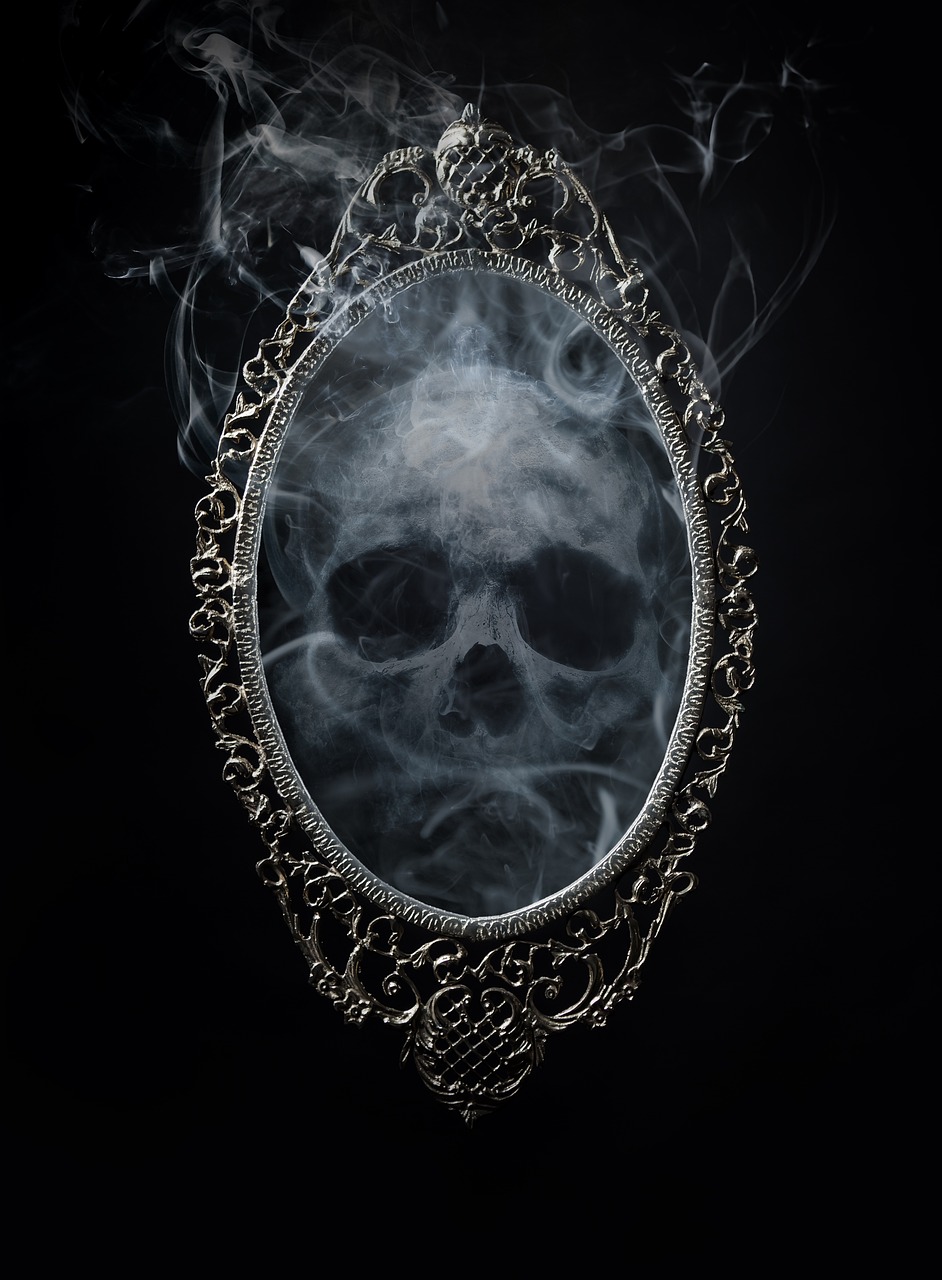
Trump didn’t hijack Christianity; he held up a mirror. His crude boasts about grabbing women, his entitlement at pageants, even his links to Epstein’s criminal network barely registered as scandal. We’d long ago embraced a gospel of control: where power trumps compassion, and tribe triumphs over truth.
This is the cost of a fearful faith: we worship strength over service and cloak cruelty in righteousness. We cry persecution when challenged and praise power as proof of God’s favor. If Christianity is to reclaim its witness, it must learn to welcome critique. Every uncomfortable question is a chance to shine light on shadows we refuse to see.
Christians shouldn’t read this and feel accused; they should stop and inspect themselves in the mirror. A faith that fears introspection will always bow to power, and that is exactly how we arrived at MAGA. We are going to need proper, healthy faith to fix this country.

Leave a Reply