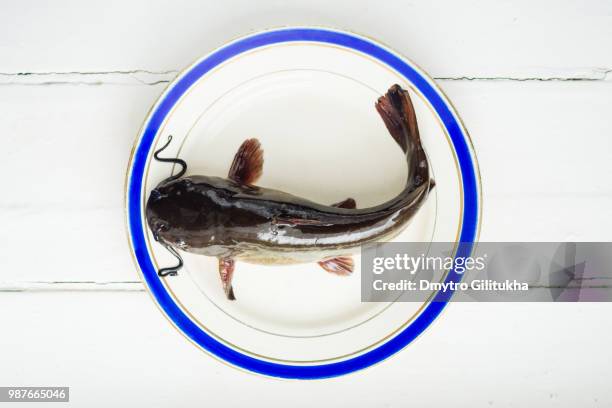
Imagine walking through a strange building, consumed with hunger. You walk into a kitchen and see a table. On a single white plate lies a frozen catfish, as if it could swim off the plate. Its slimy skin is a muted gray. Its eyes stare blankly ahead. Its mouth hangs agape. Do you devour the unappealing offering, or do you look for something else to eat?
The truth, much like a fresh-caught fish, often seems both chilling and alien, impossible to swallow in its whole raw form. I’m not usually a fish person either, unless it is a perfectly grilled mahi-mahi or a crispy, fried flounder. So how do you take the truth from raw to appetizing? The secret is in the prep. Even the iciest fact can become irresistible with a little work.
Truth is transformed through cleaning and trimming. First, wash it to flush away dirt and bacteria. Biased or toxic narratives do not belong on your plate. Then, remove the organs, taking care not to leave anything that might make your intended audience sick or leave a bad taste in someone’s mouth. Finally, debone it: peel away the finely pointed tangents and emotional barbs, leaving only a pile of insight.
With truth prepped, the real metamorphosis begins. Marinate it with context and curiosity, season it with framing, cook it at the right temperature using tone and timing, and plate it with storytelling and style. You want to make sure that what you add enhances your point, rather than overpowering or distracting from it. Also, ensure that regardless of the embellishments, the heart of the matter still shines through.
After all that, don’t be upset if people don’t eat what you’ve made. Perhaps the reason behind their refusal isn’t outright rejection but unfamiliarity. If no one has ever given them the truth before, how could they know how it tastes? Also, some people just don’t eat fish. They might be allergic to the truth, or perhaps they’re just looking for the sweet gossip of tea. No matter the case, you must recognize when certain truths are not appreciated. Instead of forcing the issue, redirect your energy to more receptive listeners or find an entirely different dish to serve.
As a young child, my paternal grandparents lived on the same street as I did. I remember my grandma standing at the stove with a pan of sizzling hot oil. The house and yard were filled with aunts, uncles, and cousins galore. Many of them were actively catching or cleaning the fish that my grandma, whom we all called Mom, was cooking. Sometimes, when I smell fish frying, I feel as if I’m standing in that noisy love-filled kitchen and can almost hear her telling me to come eat. Those moments taught me that comfort can come from the strangest scents and the most surprising truths.
In the end, every conversation is its own kitchen, and every truth is its own catfish. When you take the time to prepare your dish with proper care, you transform something cold and alien into a meal people can’t resist. Next time you serve a hard truth, remember: it’s not just the meat that matters; it’s how you season, cook, and share it that turns cold facts into a feast.
Photo of a Catfish on a Blue Rimmed White Plate
Leave a Reply