7/12/2025
When your social-media account is unceremoniously suspended without explanation, the sting feels personal: a voice silenced, a platform revoked, and no avenue to appeal. It’s tempting to write it off as “just tech” or an overzealous algorithm, but consider how quickly we accept that denial of service as a fait accompli (“it is what it is”). We shrug, grumble, maybe laugh, and move on. Rarely do we demand transparency or recourse. That same complacency, when applied to our most fundamental rights, should alarm us.
Now imagine that scenario amplified. You arrive at an airport, boarding pass in hand, only to be pulled aside and told you cannot proceed until “verification” clears you. No details, no timeline, no chance to speak, and no lawyer to translate the rules you never agreed to. Every trip is a gamble, every border crossing a potential trap. This is not fiction; it’s the lived reality of countless travelers in America, regardless of citizenship status.
For some, the experience is more chilling: abducted off the street by masked men and given indefinite detention on mere suspicion, without a hearing date, without counsel, without proof. You become a faceless entry in a ledger, your freedom held hostage by an unidentified official’s decree. In “cancel culture,” people lose followers or ad revenue. Here, people lose their homes, their jobs, their very identities: all irreversible losses that no apology tour can fix.
Some observers on the political spectrum are quick to reduce their opponents to caricatures: those on the right brand the left as communist or socialist, while those on the left slap the label fascist on the right. Each side revels in the righteous indignation of their own moral narrative, yet abandons that very scrutiny when those same opaque mechanisms target their heroes. By trading nuance for sound bites, both camps demand due process only when it suits their argument, ignoring that guilt-by-association and secretive exclusion hurt everyone.
By treating due process as a mere convenience, we open the door to cancel culture’s darkest impulses. We watch mass media label someone an ‘insurrectionist’ or ‘extremist’ without a trial and shrug as algorithms quietly shadowban ‘unapproved’ voices. But the moment our own are ensnared by those opaque systems, we erupt in belated outrage.
This isn’t a call for complacency toward genuine threats; terrorism, espionage, and violent crime demand our utmost vigilance. Yet that should never become an excuse to toss aside the principles that protect our freedom.
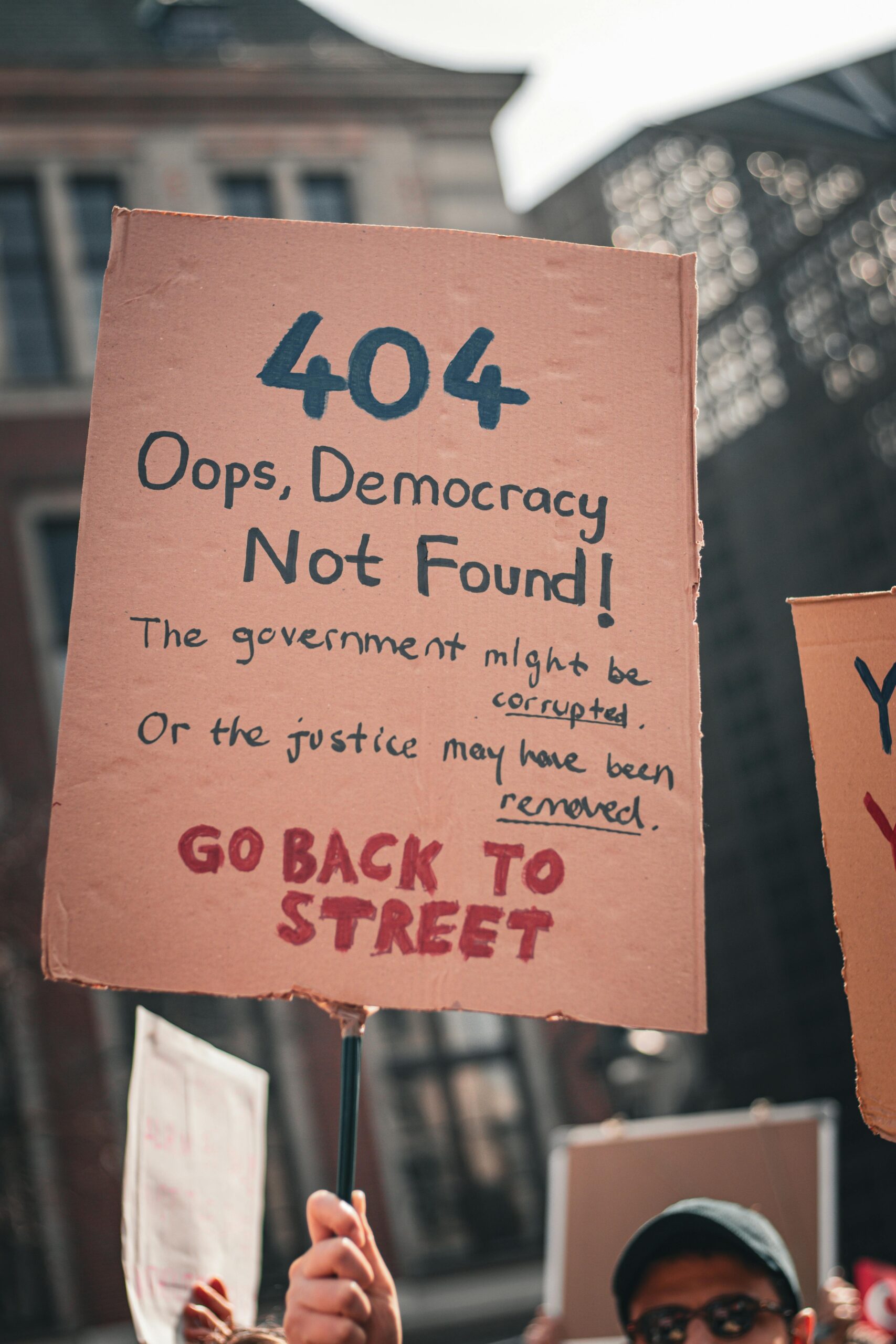
Democracy means proof before punishment and that every person has a chance to be heard. We need greater discipline and impartiality in our governing, not impulsive and ruthless wielding of power. After all, a system that assumes you’re guilty until you beg for mercy and pay extortion fees is no different from a company cutting you off forever with no explanation.
When we let extremes dominate the narrative, we forfeit the chance to craft solutions that protect both security and liberty. We end up with polarized camps screaming “fascism!” on one side and “show me your papers!” on the other. Meanwhile, the unseen victims slip through the cracks.
We need to start treating every restriction on freedom as equally worthy of skepticism. If you wouldn’t accept shadowbans without due process, don’t accept indefinite detention without a hearing, and vice versa. Because at its core, these are not separate battles: they are chapters in the same story of how power, unchecked, silences dissent.
In the end, the measure of a just society is not how ruthlessly it can punish wrongdoers, but how thoughtfully it defends the rights of all. Before you rally under the banner of “cancel culture” or hastily decry “fascist overreach,” flex your mind. Ask the hard questions, insist on evidence, and insist that no one be denied their day in court, no matter how unpopular. That is the real test of our commitment to freedom.
Leave a Reply